Sam Werner · 18 November 2026
Valewood's Emerging Leaders Drive Inclusive Urban Planning Reforms
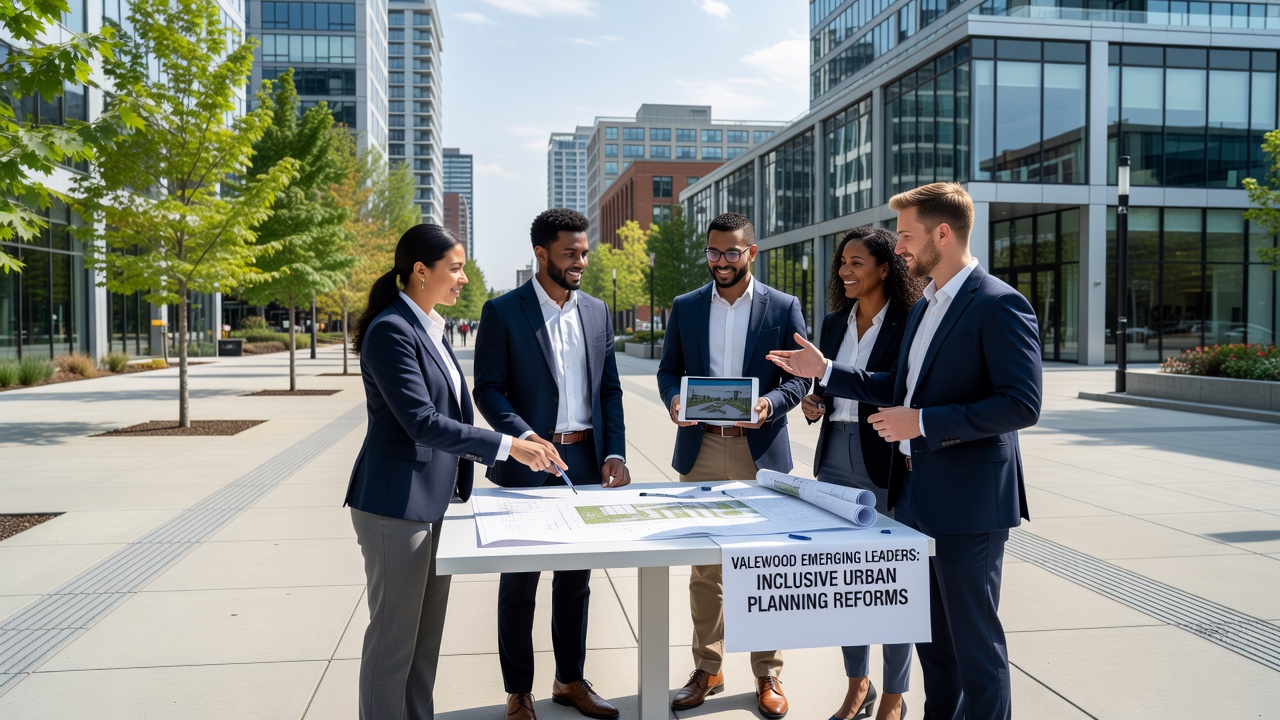
Young professionals and community organizers in Valewood have formed coalitions that focus on reshaping city development policies to prioritize accessibility across neighborhoods, and these efforts gained momentum through a series of public workshops held throughout 2025 while data from local census records showed uneven access to green spaces and transit options in several districts.
Background on Current Planning Practices
Valewood's existing urban frameworks date back to mid-20th century zoning rules that emphasized single-use districts, yet recent analyses from municipal records indicate that such patterns have concentrated commercial growth in central areas and left peripheral zones with limited infrastructure for diverse populations including families with mobility needs and older residents.
Researchers at regional universities compiled reports showing that 35 percent of Valewood households lack reliable pedestrian pathways to essential services, and this figure prompted emerging leaders to compile petitions that highlight gaps in inclusive design standards.
Key Initiatives Proposed by New Coalitions
Coalitions led by architects, data analysts, and resident advocates have outlined reforms that call for mandatory equity audits during every major development review, and these proposals include requirements for mixed-income housing integration alongside expanded public transit routes that connect underserved valleys to employment hubs.
One initiative centers on updating building codes to incorporate universal design principles such as wider sidewalks and sensory-friendly public spaces, while another pushes for community land trusts that allow local groups to influence long-term property use decisions rather than relying solely on private developers.
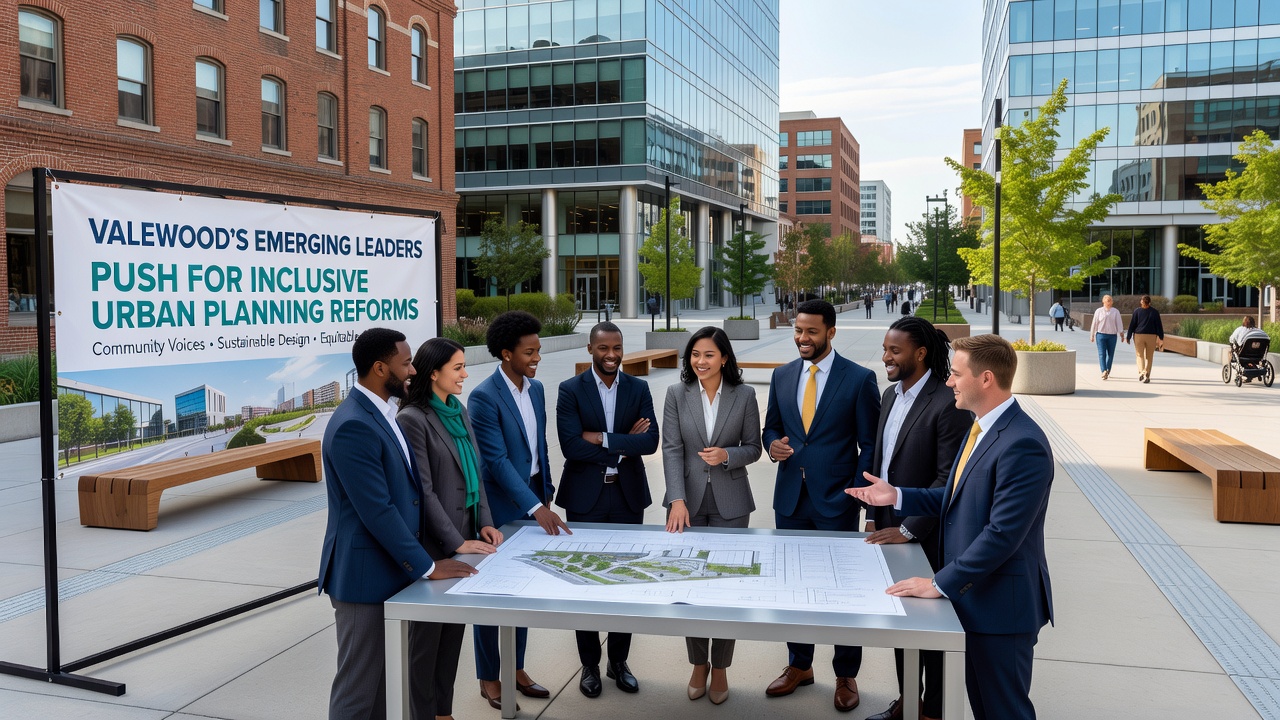
City records document that similar equity-focused measures in comparable mid-sized municipalities reduced commute times for low-income workers by an average of 12 minutes according to transportation studies from the American Planning Association, and Valewood leaders have referenced those outcomes when presenting their case to officials.
Events and Milestones Scheduled for Late 2026
Preparations for a November 2026 summit have already begun with organizers inviting representatives from multiple neighborhoods to review draft policy language, and the event will feature presentations on pilot projects that tested inclusive street redesigns in two Valewood districts earlier this year.
Attendance data from prior forums shows participation rates doubling each quarter since early 2025, which reflects growing interest among residents who previously felt excluded from planning discussions.
Data and Evidence Supporting the Reforms
Surveys conducted by Valewood's planning department reveal that neighborhoods with higher densities of recent immigrants report 40 percent lower satisfaction with current park facilities compared to established areas, and emerging leaders have used this information to advocate for targeted investment in recreational infrastructure that accommodates cultural preferences and physical accessibility.
Geographic information system mapping shared publicly demonstrates clusters of flood-prone zones overlapping with lower-income housing, which has led to calls for updated resilience standards that incorporate input from affected communities before construction permits are issued.
External benchmarks from European Commission urban sustainability reports indicate that cities adopting inclusive planning metrics achieved measurable improvements in air quality and social cohesion within five years of implementation, and Valewood coalitions have adapted several of those metrics for local application.
Conclusion
Valewood's emerging leaders continue to coordinate with municipal staff and neighborhood associations to refine policy language ahead of the 2026 vote cycle, while ongoing data collection tracks progress on pilot projects that test the proposed reforms in real-world settings. The process underscores how coordinated advocacy can integrate diverse perspectives into long-standing urban frameworks without disrupting established administrative procedures.