Morgan Günther · 8 September 2026
Valewood's Artist Residencies Spark Fresh Approaches to Historic Site Preservation
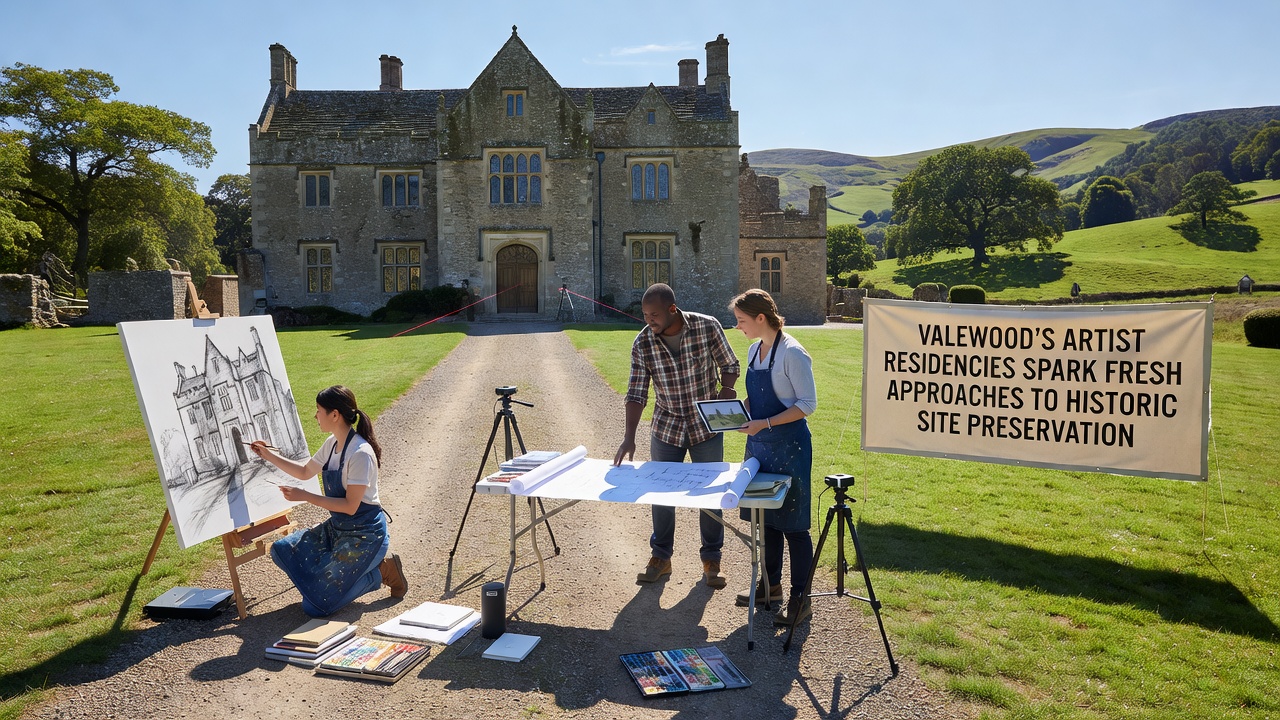
Valewood's artist residency programs have integrated creative practices with historic site preservation efforts since their expansion in recent years, and data from local heritage records shows measurable shifts in how structures receive attention. Participants work alongside preservation specialists to document sites through visual and material explorations that complement traditional surveys, while programs coordinate with regional planning offices to align artistic outputs with conservation protocols.
Program Structure and Participant Activities
Residencies run in cycles that allow selected artists to spend extended periods at designated locations, and schedules typically include workshops on non-invasive documentation methods alongside sessions on material analysis. Those who join often explore techniques such as pigment mapping and light-based recording, which feed into databases maintained by the Valewood Heritage Office. September 2026 marks the start of a new cohort focused on river-adjacent landmarks, where activities incorporate seasonal environmental data collected by regional monitoring stations.
Coordination happens through partnerships with academic institutions that supply equipment and training modules, and records indicate that outputs from prior cycles have contributed to updated condition reports filed with municipal archives. Artists receive access to restricted areas under supervised conditions, which ensures compliance with safety standards established by preservation guidelines.
Integration with Existing Conservation Frameworks
Local authorities have incorporated residency findings into broader planning documents, and figures from the Valewood Preservation Society reveal that several sites now feature enhanced monitoring protocols derived from artistic data sets. This approach aligns with standards outlined by the Australian Heritage Council, which emphasizes multidisciplinary input for long-term site management. Residents produce both digital and physical records that undergo review before integration, creating a layered documentation system.
Training components draw on methodologies developed at institutions such as the University of British Columbia's heritage studies department, where research on adaptive documentation has informed similar programs elsewhere. Participants apply these methods to Valewood's specific architectural features, generating comparative materials that support cross-site analysis.
Documented Outcomes and Data Collection
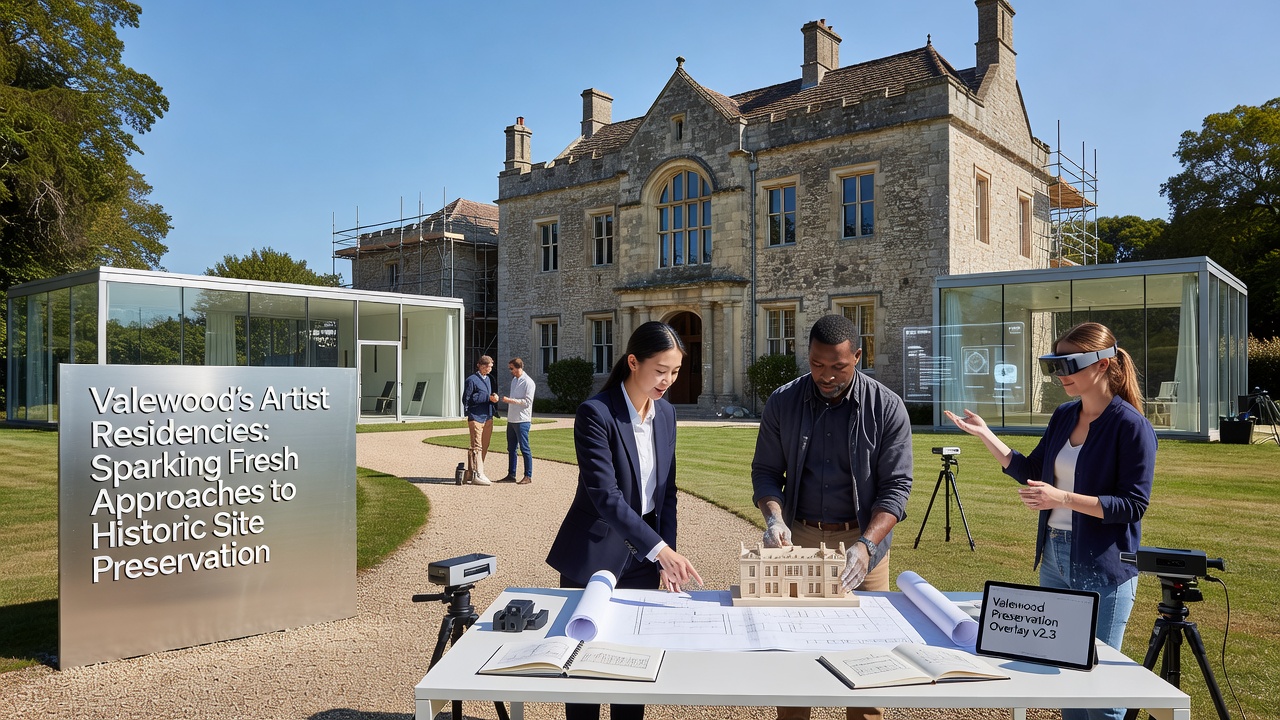
Evaluation reports compiled after each cycle track metrics such as number of sites documented and types of techniques applied, and summaries released by the Valewood Heritage Office indicate consistent growth in community engagement with preservation topics. Outputs include visual archives that supplement traditional photographic records, allowing planners to identify subtle changes over time. These materials undergo verification processes before public release through official channels.
Community workshops hosted during residencies present findings to local groups, and attendance logs show steady participation from residents interested in learning about site histories. Data collected through these sessions feeds into educational resources distributed by regional schools, extending the reach of preservation knowledge beyond direct participants.
Future Directions for the Residency Model
Planning documents for upcoming cycles reference expanded partnerships with international research networks, and preliminary outlines suggest inclusion of climate-related monitoring tools that complement existing artistic methods. Coordination with bodies like the European Heritage Alliance provides access to shared case studies that inform adaptations for Valewood's conditions. September 2026 activities will test new protocols developed from prior evaluations, focusing on integration of real-time data streams.
Resource allocation for these programs remains tied to municipal budgets and external grants, with allocation details published in annual reports from the Valewood planning department. Ongoing assessments measure alignment with established conservation benchmarks, ensuring that artistic contributions remain supplementary to core preservation requirements.
Conclusion
Valewood's residency initiatives continue to evolve through structured collaboration between artists, specialists, and administrative bodies, and records demonstrate their role in expanding documentation options for historic sites. Continued alignment with established frameworks from organizations such as the Australian Heritage Council and academic partners supports sustained development of these approaches.