Viktor Brooks · 3 November 2026
The Organic Certification Shift: Local Market Vendors Adapt to New Standards
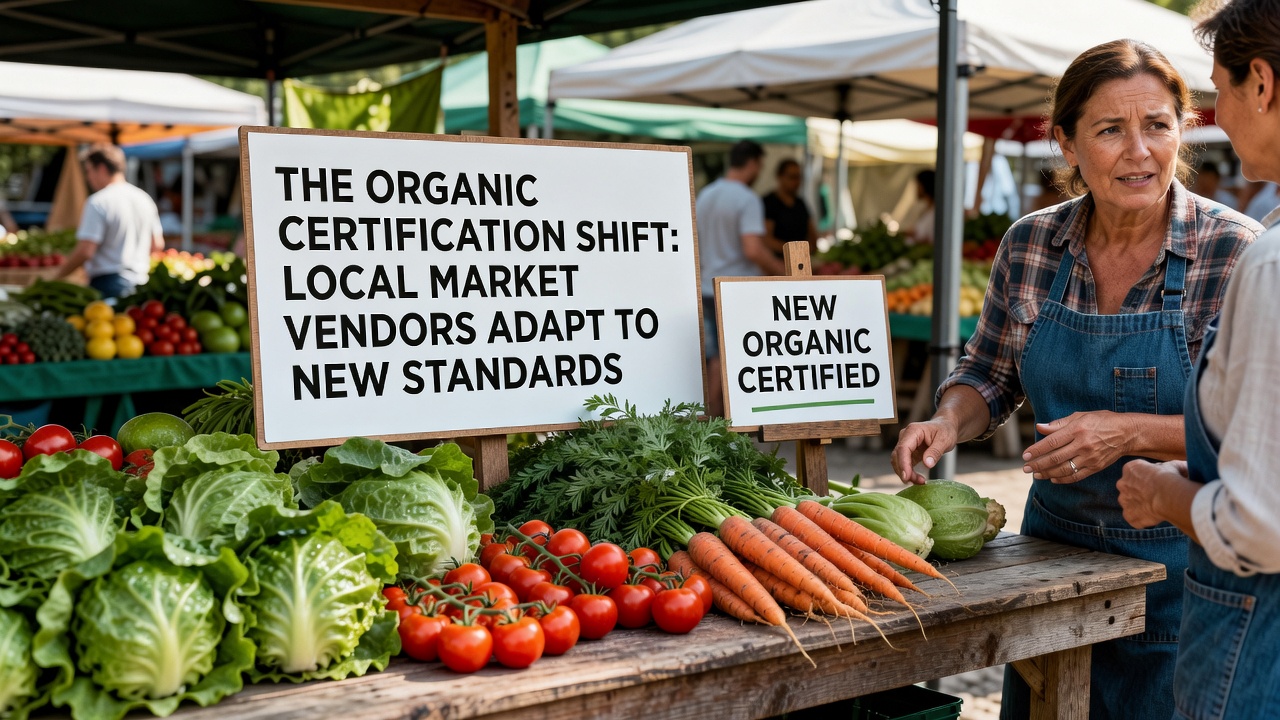
Vendors operating at weekly markets across Valewood have begun adjusting operations to meet updated organic certification requirements that took effect earlier this year, with additional compliance measures scheduled for review in November 2026. These changes stem from revised federal guidelines on soil management, traceability documentation, and pesticide residue thresholds, which now demand more frequent third-party audits and detailed record-keeping for every crop cycle. Local sellers report that the process involves submitting expanded farm plans to certifying bodies, while many have invested in software tools to track inputs from seed to sale.
Key Updates to Certification Criteria
The new framework expands previous rules by requiring annual soil health assessments and prohibiting certain synthetic additives that previously fell under exemptions, according to updates from the USDA Agricultural Marketing Service. Producers must now maintain buffer zones around fields that exceed earlier minimums, and they face stricter limits on water usage documentation during drought periods. Data compiled by agricultural extension services shows that farms averaging under 10 acres encounter the steepest learning curve, because the administrative load scales similarly regardless of operation size.
One grower who supplies root vegetables to the Saturday market explained that the shift forced a complete overhaul of labeling systems, since each batch now needs lot codes linked to specific field plots and harvest dates. This approach aligns with traceability mandates that several other countries, including those following EU organic regulation protocols, adopted years earlier. Observers note that vendors who already kept digital logs adapted faster, whereas others hired consultants to build compliant systems from scratch.
Vendor Responses and Implementation Steps
Market participants have formed informal working groups to share templates for audit preparation, and several have pooled resources to schedule group inspections that lower per-farm costs. Figures from regional farm bureaus indicate that roughly 60 percent of Valewood's certified organic stalls completed the transition by mid-year, while the remainder continue working through soil sampling backlogs. Those who finished early report that the extra paperwork ultimately streamlined their own inventory tracking, even though initial setup required weeks of dedicated effort.
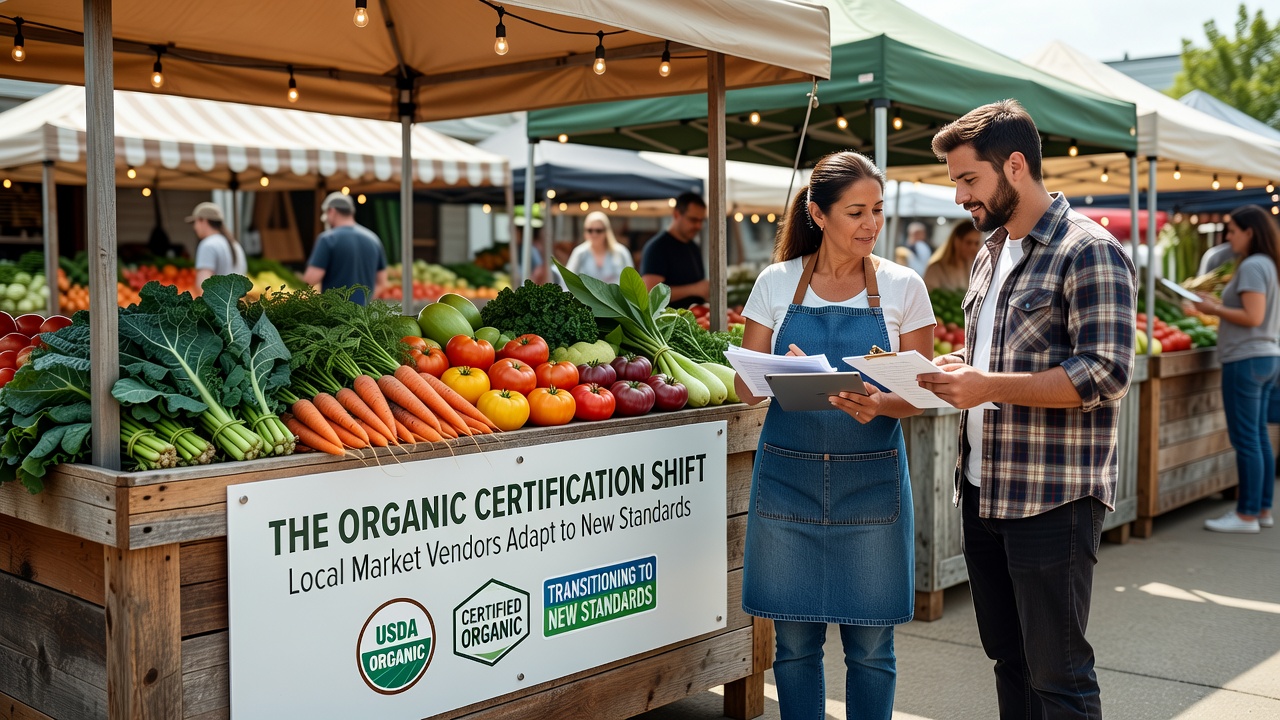
Turnout at educational workshops hosted by the local agricultural cooperative has risen sharply, with sessions covering everything from composting verification methods to record retention schedules. Vendors describe using color-coded folders and cloud-based apps to separate conventional and organic streams, a practical step that prevents cross-contamination during transport. Research from Canadian agricultural authorities highlights similar patterns in smaller markets, where collaborative training reduced certification failure rates by nearly half compared with solo efforts.
Supply Chain and Market Implications
Wholesale buyers who source from Valewood stalls have begun requesting proof of the updated certificates before placing orders, which has prompted some vendors to prioritize crops that carry lower compliance risk. This adjustment appears in sales records showing increased emphasis on leafy greens and herbs over more input-intensive fruits. Industry reports from Australian organic bodies note that comparable shifts elsewhere led to temporary dips in variety before producers stabilized output under the stricter rules.
Local market managers have updated stall assignment criteria to include certification status, ensuring customers can easily identify compliant vendors through signage. The change coincides with rising consumer interest in verified produce, as tracked by national retail surveys. Vendors who completed certification early have noticed steadier foot traffic, particularly from buyers who cross-reference labels against online databases maintained by certifiers.
Support Resources and Ongoing Adjustments
State-level grants now cover a portion of audit fees for operations below a certain revenue threshold, easing the financial burden documented in earlier transition periods. Extension agents continue to offer on-site consultations focused on mapping buffer zones and interpreting laboratory results from soil tests. These services draw on methodologies refined through university-led studies that examined certification outcomes across multiple growing seasons.
As the November 2026 review date approaches, organizers expect further guidance on emerging topics such as carbon sequestration credits tied to organic practices. Vendors have begun experimenting with cover crop rotations that satisfy both the new standards and potential future incentives, creating data sets they plan to submit during the next comment period.
Conclusion
The ongoing adaptation process reflects broader alignment between local practices and evolving national standards, with Valewood vendors demonstrating measurable progress through shared resources and targeted training. Continued monitoring by certifying agencies will determine how these adjustments affect long-term market stability and producer participation rates.