Amir Albrecht · 20 October 2026
Community-Led Oral History Project Brings Valewood's Forgotten Stories to Light
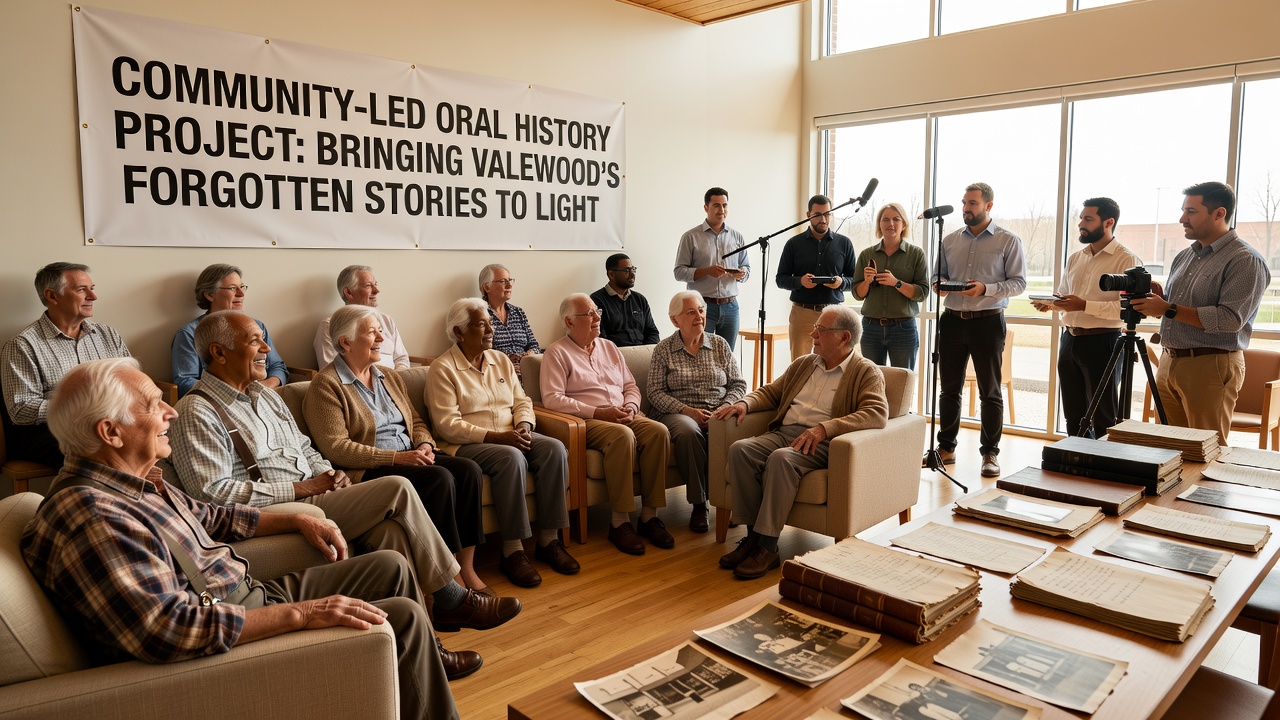
Residents across Valewood have launched an oral history initiative that collects firsthand accounts from longtime locals while documenting events that shaped the valley over decades, and the effort has already uncovered narratives about early settlement patterns, agricultural shifts, and community resilience that official records overlooked. The project began when a small group of volunteers coordinated with the Valewood Historical Society to conduct structured interviews, transcribe recordings, and archive materials in a shared digital repository that remains accessible to researchers and residents alike.
Project Origins and Structure
Local organizers established the framework in early 2025 after noticing gaps in written histories that focused primarily on land deeds and council minutes rather than personal experiences, and they modeled the approach on established practices from regional archives while adapting questions to address Valewood-specific themes such as river management and seasonal labor cycles. Volunteers received training in ethical interviewing techniques through workshops that emphasized consent protocols and accurate transcription standards, which allowed the team to expand participation to include younger residents who contribute by digitizing older cassette tapes donated by families.
Participants range from descendants of original homesteaders to recent arrivals who share perspectives on how the valley has changed since the 1970s, and sessions occur in community halls, private homes, and even along walking paths where elders point out former landmarks. Each interview averages ninety minutes and covers topics including school consolidations, flood events from the 1980s, and the transition from dairy farming to diversified agriculture, with all materials reviewed by interviewees before final archiving.
Stories Emerging from Interviews
One account details how families maintained hidden irrigation channels during drought years that official maps never recorded, while another describes the role of informal trading networks that sustained households when rail service declined in the late 1960s. Researchers note that these details align with patterns observed in similar rural valleys yet add specific Valewood references that enrich understanding of local adaptation strategies.
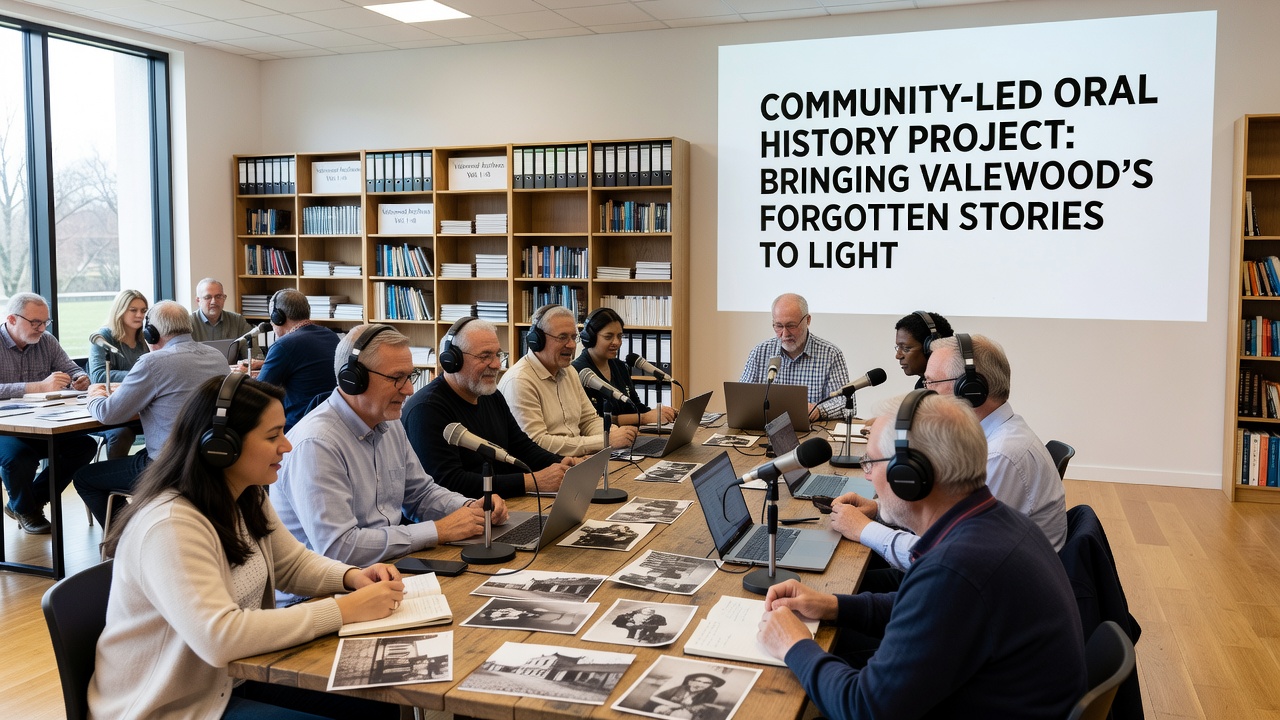
By October 2026 the project plans to host a public exhibition at the Valewood Community Center that will feature audio excerpts, annotated maps, and timeline displays drawn directly from collected materials, and organizers expect several hundred attendees based on preliminary interest expressed through local newsletters. Data from the first fifty interviews indicates that over seventy percent reference interactions with the Valewood River ecosystem, a finding that complements monitoring efforts already underway in adjacent conservation areas.
Archiving and Accessibility
Materials receive standardized metadata tags that reference dates, locations, and thematic keywords before upload to the shared repository, which operates under open-access guidelines that permit educational use while protecting sensitive personal information. Partnerships with nearby academic institutions have provided additional storage capacity and technical support, allowing the team to incorporate GIS layers that overlay interview locations onto historical survey maps for visual context.
Those managing the archive emphasize cross-referencing with existing collections at the Valewood Public Library to avoid duplication, and they have begun collaborating with regional libraries in neighboring counties to exchange best practices on preservation techniques. External resources such as the Library of Congress oral history guidelines inform quality control procedures, while comparisons with projects documented by the Canadian Museum of History help refine approaches to multilingual family accounts present in Valewood records.
Community Engagement and Next Steps
Monthly listening sessions allow participants to hear excerpts from completed interviews and suggest additional interviewees, which has increased participation rates as word spreads through word-of-mouth networks and school newsletters. Youth volunteers assist with equipment setup and social media updates that highlight upcoming sessions, ensuring broader awareness without relying solely on print announcements.
Funding has come through small grants from local foundations and in-kind donations of recording equipment, which has kept operational costs low while maintaining professional standards for audio quality. The project continues to accept new submissions, and coordinators report steady growth in the number of recorded hours each quarter.
Conclusion
The Valewood oral history effort demonstrates how systematic collection of personal accounts can supplement formal records and reveal overlooked dimensions of local development, and the initiative's structured yet flexible model offers a template that other communities facing similar documentation gaps may adapt. As transcripts accumulate and the October 2026 exhibition approaches, the repository stands to serve as a living reference that evolves with ongoing contributions from residents.